
Functional Training: More Than Just Muscle Building
Functional training is a powerful fitness approach that goes beyond traditional muscle building. While lifting weights focuses on isolated muscle groups, functional exercises aim to improve your body’s ability to perform everyday movements efficiently. From bending and twisting to pushing and pulling, functional training mimics real-life motions, making your body stronger, balanced, and injury-resistant.
1 – Introduction to Functional Training
Functional training is a powerful fitness approach that goes beyond traditional muscle building. While lifting weights focuses on isolated muscle groups, functional exercises aim to improve your body’s ability to perform everyday movements efficiently. From bending and twisting to pushing and pulling, functional training mimics real-life motions, making your body stronger, balanced, and injury-resistant.
At Fitness Guide, we believe functional training is not just a workout; it’s a lifestyle. Integrating these exercises can transform your physical health, improve posture, and enhance overall mobility. Many fitness enthusiasts find that combining functional training with strength work creates the perfect balance for long-term results.
2 – The Science Behind Functional Training
Functional training engages multiple muscle groups simultaneously. According to research, this type of exercise improves core strength, stability, and coordination more effectively than traditional isolation exercises. The human body is designed for movement, not for sitting still or performing repetitive isolated lifts.
At Fitness Guide, we emphasize movements like squats, lunges, push-ups, and kettlebell swings because they replicate daily life actions. These exercises boost calorie burn, enhance muscular endurance, and improve joint health. Functional training also increases neuromuscular efficiency, meaning your brain communicates better with your muscles, making your movements more precise and natural.
3 – Benefits Beyond Muscle Growth
While functional training develops muscles, its benefits extend far beyond aesthetics:
- Enhanced mobility and flexibility – functional exercises improve range of motion.
- Improved balance and coordination – reducing fall risk and increasing agility.
- Core strength – a strong core supports every movement, from lifting groceries to running.
- Posture correction – everyday activities demand stability, which functional training enhances.
- Injury prevention – training functional movements strengthens stabilizer muscles.
At Fitness Guide, we guide readers to understand that fitness is more than how you look—it’s about how efficiently and safely your body moves.
4 – Functional Training vs. Traditional Bodybuilding
Traditional bodybuilding focuses on isolating muscles to grow size and definition. Functional training focuses on improving movement quality. While bodybuilding can make you look stronger, functional training ensures you move stronger.
Exercises like medicine ball throws, kettlebell swings, or TRX suspension rows train multiple muscles and challenge stability simultaneously. At Fitness Guide, we show that combining both methods leads to optimal results: strength, endurance, mobility, and functional capability.
5 – Essential Functional Exercises
Here are foundational functional movements:
- Squats – improve lower body strength and mobility.
- Lunges – enhance balance, coordination, and unilateral leg strength.
- Deadlifts – strengthen posterior chain and core stability.
- Push-ups and variations – improve upper body and core.
- Kettlebell swings – full-body explosive movement.
- Planks and rotational movements – core stabilization and functional strength.
At Fitness Guide, we encourage customizing these exercises to fit your goals, whether you are a beginner or an experienced athlete.
6 – Functional Training for Everyday Life
Functional exercises improve the quality of your daily life. Think about:
- Carrying grocery bags
- Picking up children safely
- Reaching for objects overhead
- Climbing stairs without strain
At Fitness Guide, we stress that functional training is not just for athletes. It’s for everyone who wants to live independently, move efficiently, and reduce the risk of injury at any age.
7 – Functional Training and Weight Loss
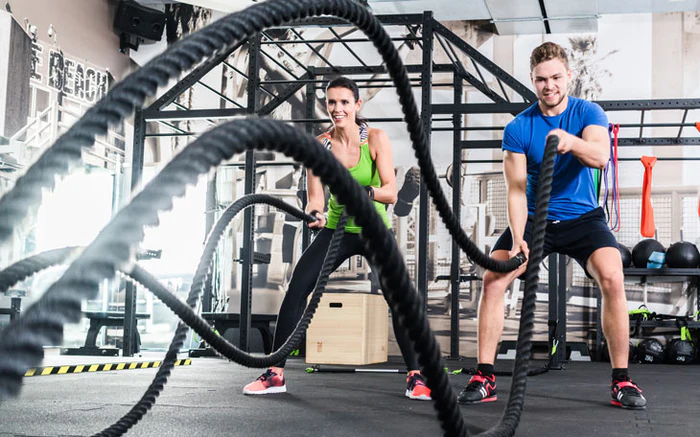
Functional training can accelerate fat loss because it engages multiple muscles at once, increasing caloric expenditure. Exercises like burpees, kettlebell swings, and battle ropes combine strength and cardiovascular training in one session.
At Fitness Guide, we emphasize high-intensity functional circuits to maximize metabolism and maintain lean muscle. This approach allows you to burn fat while enhancing functional strength, giving a balanced and athletic physique.
8 – Functional Training for Athletes
Athletes benefit from functional training by improving performance, agility, and injury prevention. Sports movements are often dynamic, requiring strength, balance, coordination, and power simultaneously. Functional exercises like plyometrics, rotational lifts, and sled pushes translate directly to better performance on the field.
Fitness Guide shows readers how to adapt functional training to their sport, whether it’s running, cycling, martial arts, or team sports.
9 – Core and Stability Focus
A strong core is central to functional training. Core exercises are more than crunches; they include movements like planks, anti-rotation presses, and dynamic rotational exercises. Core strength improves posture, stability, and the efficiency of every movement.
At Fitness Guide, we guide readers to build functional core strength to reduce back pain, enhance athletic performance, and improve daily life functionality.
10 – Motivation Page
“Your body is your greatest asset. Train it not just to look strong, but to move strong, live fully, and conquer every day.”
Functional training is about building confidence, resilience, and a life without limitations. At Fitness Guide, we believe every session counts. Every push, pull, and squat is a step toward a healthier, stronger, and more capable you.
Embrace the challenge. Celebrate progress. And remember: consistency creates transformation. Your future self will thank you.
11 – Functional Training Equipment Options
Functional training can be done with minimal equipment or a full gym setup:
- Dumbbells and kettlebells
- Resistance bands
- Medicine balls
- TRX suspension systems
- Stability balls
- Battle ropes
At Fitness Guide, we show how creativity with equipment can make your workouts versatile, fun, and progressive.
12 – Designing a Functional Training Routine
A typical functional routine should include:
- Warm-up (mobility and activation)
- Compound functional movements (squats, lunges, push-ups)
- Rotational/core exercises
- Balance and stability drills
- Cool-down and stretching
At Fitness Guide, we provide sample routines for beginners, intermediate, and advanced trainees. The key is progressive overload combined with movement quality.
13 – Common Mistakes to Avoid
- Using poor form
- Ignoring mobility and warm-up
- Focusing only on strength, not movement quality
- Overtraining without recovery
Fitness Guide emphasizes mindful training, listening to your body, and prioritizing safe, effective techniques over ego lifting.
14 – Conclusion and Call to Action
Functional training is more than a trend; it’s a sustainable approach to strength, health, and longevity. By combining functional exercises with proper nutrition, recovery, and mindset, you can transform your body and daily life.
At Fitness Guide, we encourage you to take the first step today. Explore functional workouts, share your journey, and join a community that values movement, wellness, and real results.
Remember: your fitness journey is a lifelong adventure. Train smart, stay consistent, and embrace the functional approach to live stronger, healthier, and happier.
“Believe in your potential: every small step you take today brings you closer to the life you’ve always wanted. If this content inspired you in any way, leave a comment — your opinion is essential and helps our community grow even more!”
FITNESS GUIDE
All rights reserved 2025